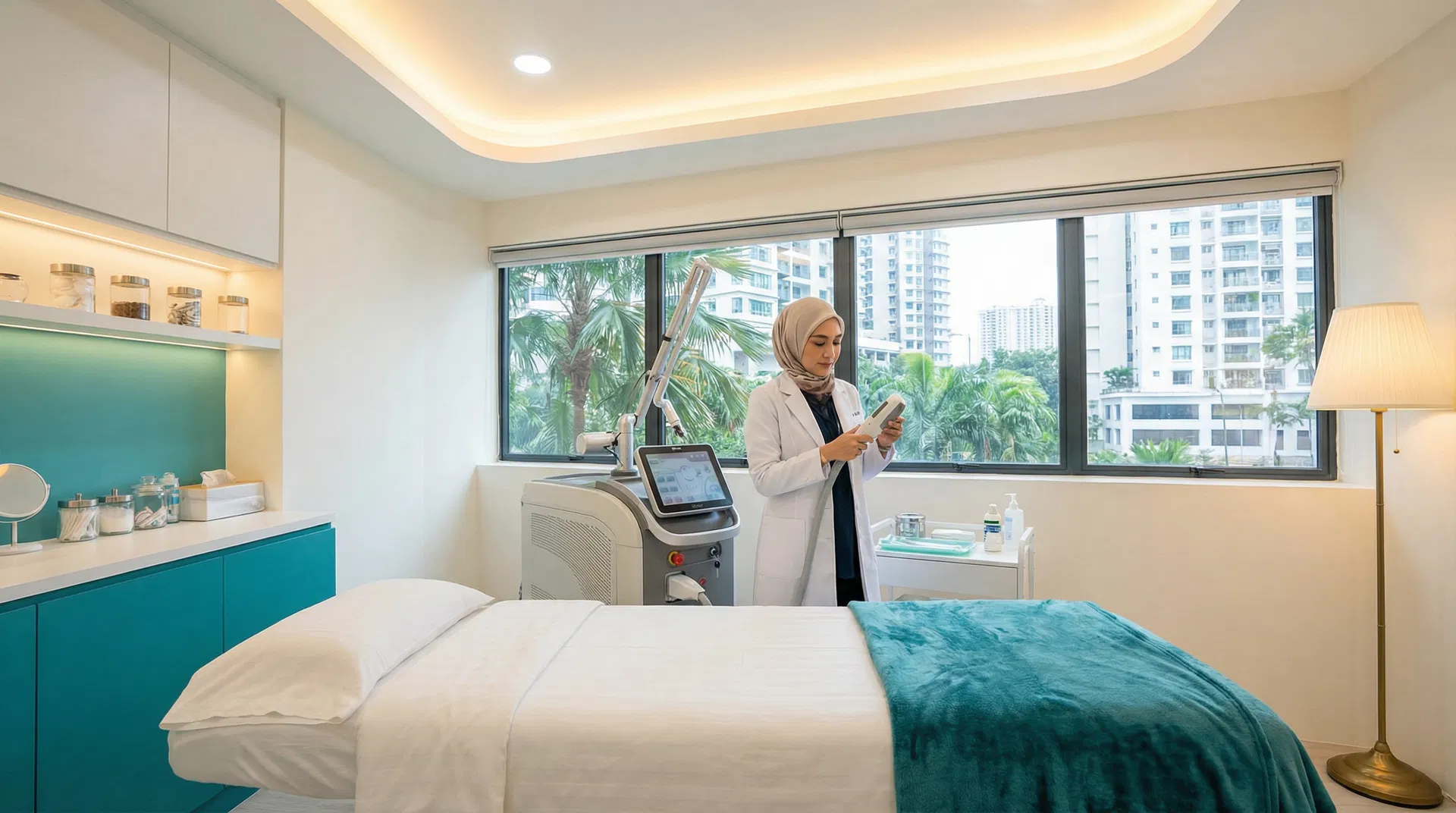
Laser Treatment Myths vs. Facts: What You Really Need to Know
Laser treatments have become increasingly popular for skin rejuvenation, but misconceptions abound. Let's separate fact from fiction and provide accurate information to help you make informed decisions.
Myth: Laser Treatments Damage Skin
Fact: Modern medical-grade lasers are designed to precisely target specific skin concerns without damaging healthy tissue. Fractional laser technology treats only a fraction of skin at a time, allowing surrounding skin to support healing. Dermatologists carefully calibrate laser settings based on individual skin type and concern. When performed by qualified professionals, laser treatments improve skin health and appearance. The temporary redness and peeling following treatment are signs of healthy skin renewal, not damage.
Myth: One Laser Session Solves Everything
Fact: Most skin concerns require multiple sessions for optimal results. Acne scars typically need 2-4 Fractional CO2 sessions spaced 4-6 weeks apart. Pigmentation issues like melasma often require 4-6 Pico Laser sessions. The timeline allows for proper collagen remodeling and skin healing between treatments. Expecting dramatic results from a single session sets unrealistic expectations and often leads to disappointment.
Myth: Laser Treatments Are Extremely Painful
Fact: Modern lasers are far less painful than many people expect. Most patients describe the sensation as a series of quick snaps or mild stinging. Numbing cream applied before treatment significantly reduces discomfort. Cooling systems built into modern laser equipment further minimize pain. Patients typically tolerate laser treatments well without requiring anesthesia.
Myth: Everyone Gets Severe Downtime
Fact: Downtime varies significantly based on laser type and settings. Pico Laser often has minimal downtime of 1-2 days. Dermablate Laser typically causes 2-3 days of downtime. Fractional CO2 Laser requires 5-7 days of more significant downtime. Many patients can return to work within days, though they may need to wear makeup or protective clothing. Proper aftercare significantly reduces downtime duration.
Myth: Laser Treatments Cause Permanent Redness
Fact: Post-treatment redness is temporary and typically resolves within days to weeks depending on laser intensity. Most patients experience redness for 3-7 days following Fractional CO2 treatment. Pico Laser often causes minimal redness lasting only 1-2 days. Proper sun protection and skincare accelerate redness resolution. Permanent redness is extremely rare when treatments are performed by qualified professionals.
Myth: Laser Treatments Don't Work on Dark Skin
Fact: Modern laser technology has advanced significantly, with many lasers now safely treating darker skin tones. Pico Laser is particularly effective on darker skin. Proper laser selection and settings are crucial for safety and efficacy on darker skin. Experienced dermatologists understand how to adjust laser parameters for different skin tones. Avoiding laser treatment based on skin tone means missing out on effective solutions.
Myth: Results Are Permanent Forever
Fact: Laser treatment results are long-lasting but not necessarily permanent. Sun exposure, aging, and lifestyle factors continue to affect skin after treatment. Maintenance treatments every 1-2 years help sustain results. Proper sun protection significantly extends results longevity. Think of laser treatments as resetting your skin rather than providing permanent immunity to aging.
Myth: Laser Treatments Are Only for Anti-Aging
Fact: Laser treatments address numerous concerns beyond anti-aging. Acne and acne scars respond excellently to laser therapy. Pigmentation issues including melasma, age spots, and post-inflammatory hyperpigmentation improve dramatically. Rosacea, broken capillaries, and other vascular concerns respond well to specific laser types. Laser treatments are versatile tools for multiple skin concerns.
Myth: At-Home Laser Devices Work as Well as Professional Treatments
Fact: Professional medical-grade lasers deliver significantly more powerful and precise treatment than consumer devices. Professional lasers have higher energy output, better targeting capabilities, and superior safety features. At-home devices may provide minor improvements but cannot match professional results. Think of at-home devices as maintenance tools rather than primary treatment options.
The Bottom Line
Laser treatments are safe, effective, and versatile when performed by qualified dermatologists using appropriate technology. Understanding the facts helps you make informed decisions about whether laser treatment is right for your specific concerns. Consult with a dermatologist to discuss your goals and determine the best laser treatment option for your unique situation.